

Mr Thomas’s Chop House has been part of Manchester since 1867. A £300,000 restoration, long-term lease and 23-year-old head chef are shaping what comes next.
Mr Thomas’s Chop House has been serving Manchester since 1867, but owner Roger Ward admits there was a point after Covid when he wasn’t sure how much longer he wanted to keep doing it.
Tom’s had gone eight years without a proper lease and much longer without any meaningful investment by the landlord. Retirement was being seriously considered. Instead, Roger decided to “go again properly”.
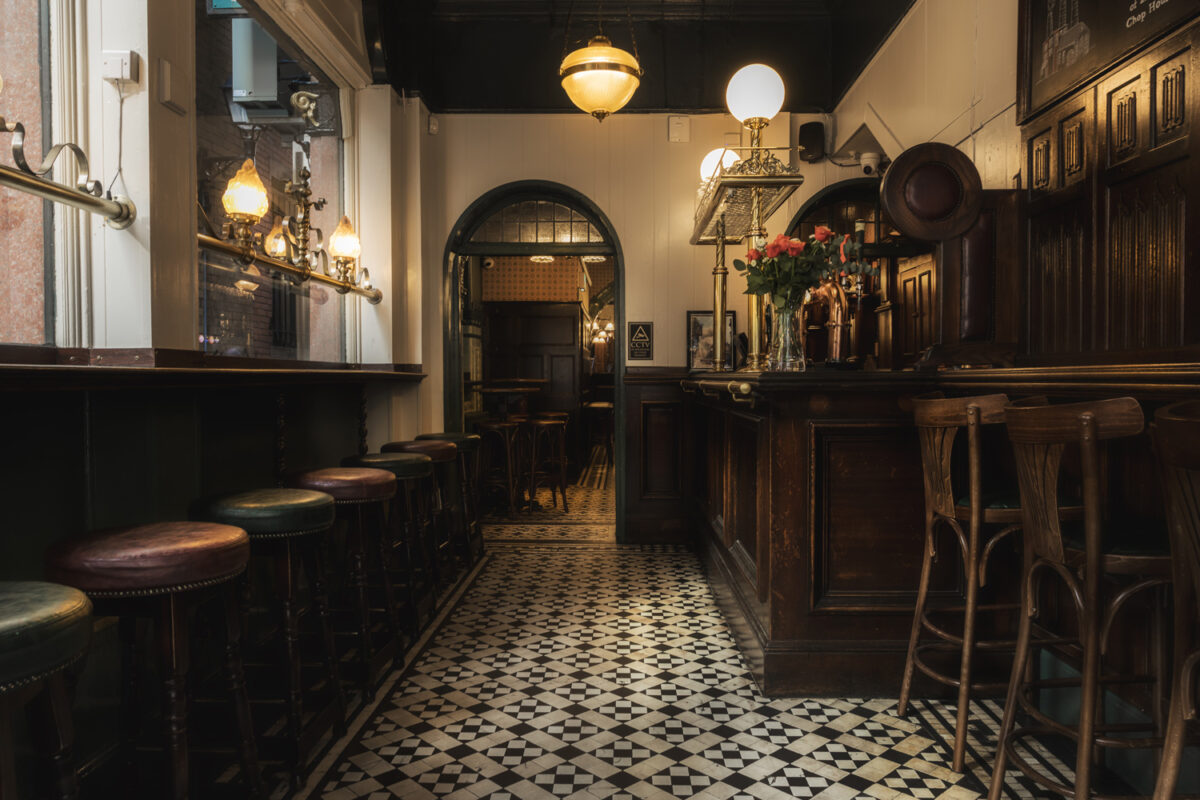
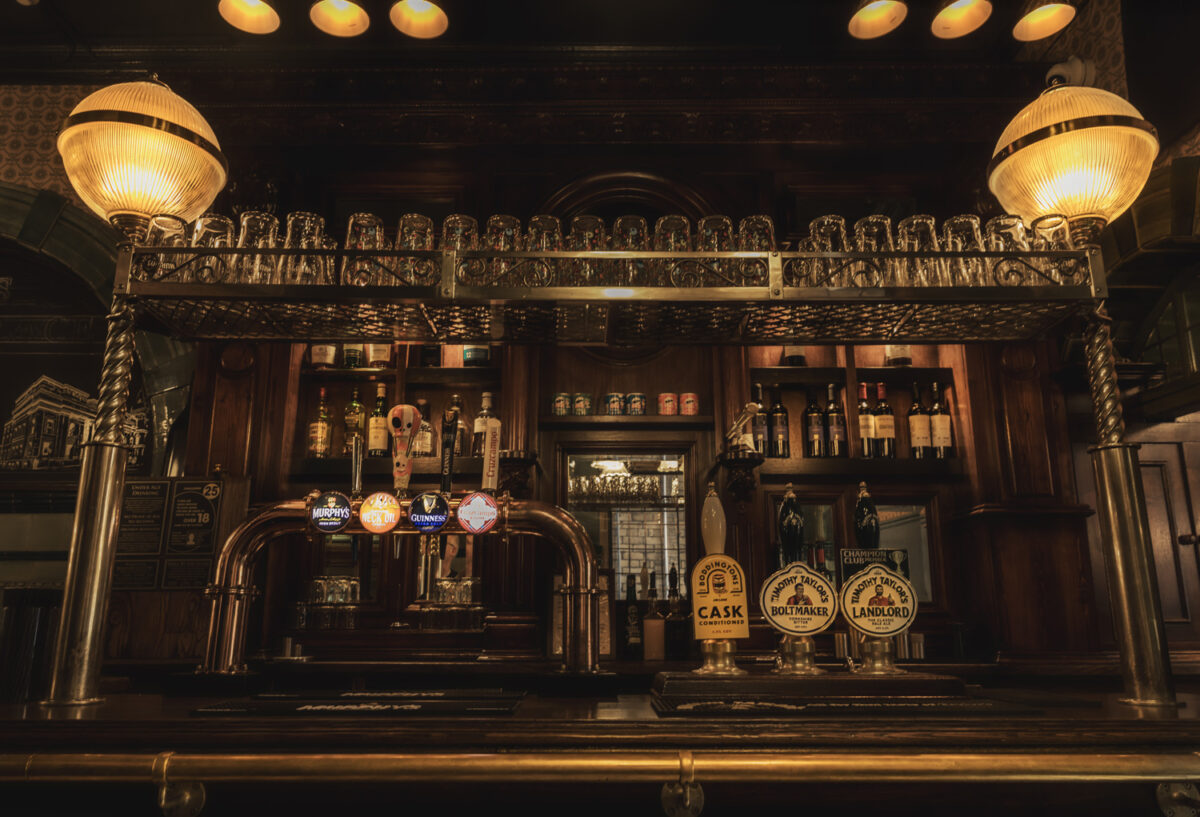
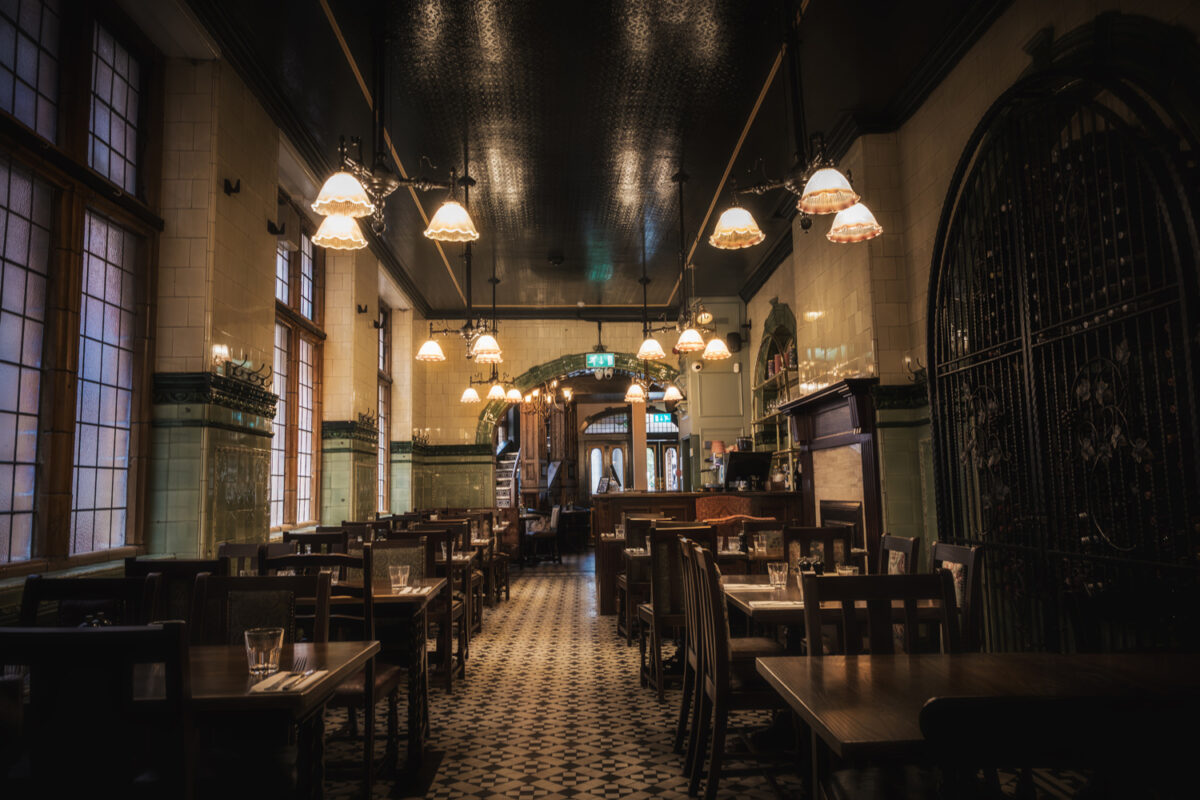
That decision has resulted in a new long-term commitment to the Chop Houses and around £300,000 being spent restoring Tom’s – touching everything from the dining rooms and furniture to the menu, wine list, kitchen and beer cellars.
Roger is particularly pleased with the toilets.
“Tom’s was famous for the shittest toilets in town,” he says. They are now, by his assessment, considerably less so. Downstairs has been redone, upstairs has new ones too, while a previously overlooked back room has been completely reworked.
This isn’t really a reopening story. Tom’s only shut for ten days during the latest work, with another short closure last year, and there was deliberately no big relaunch afterwards. Roger says they barely told anyone and trade is already up significantly.
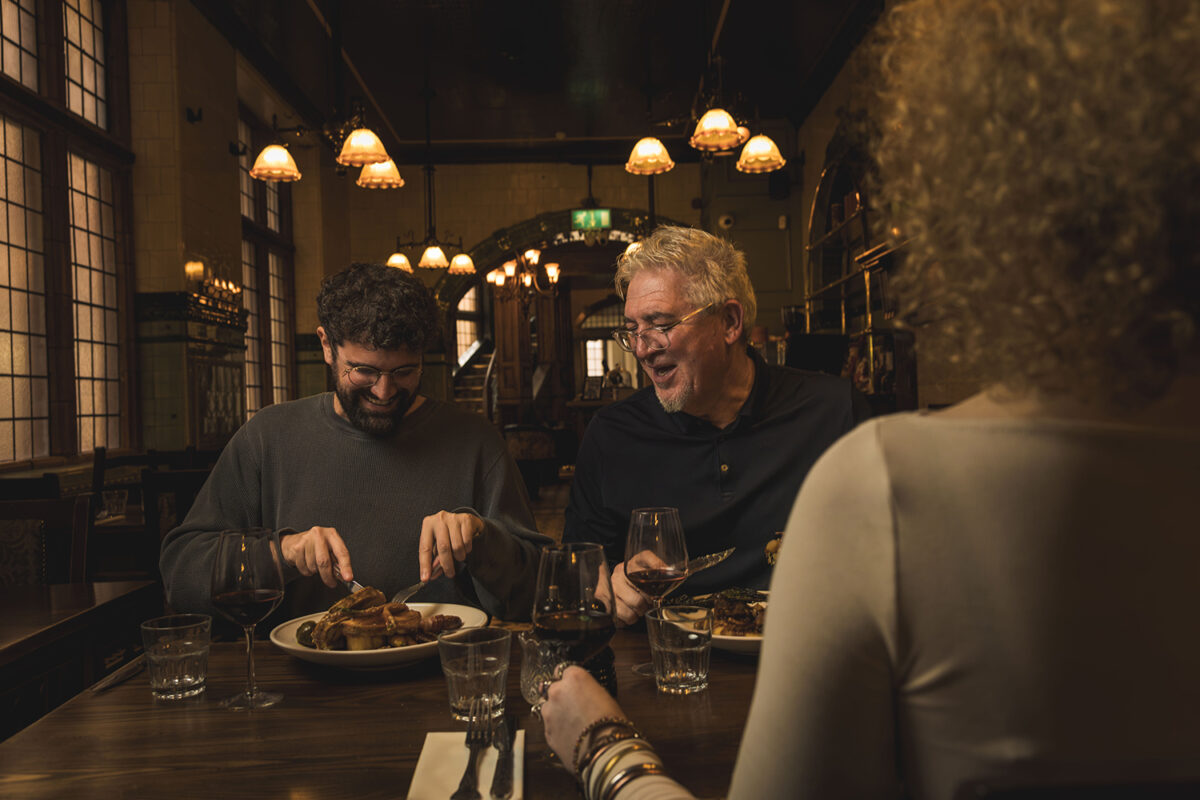
The bigger change is what the investment represents. Roger wants both restaurants in the best shape they have ever been, still independent, and eventually passed on rather than swallowed up by a national pub group.
That thinking is all over the room.
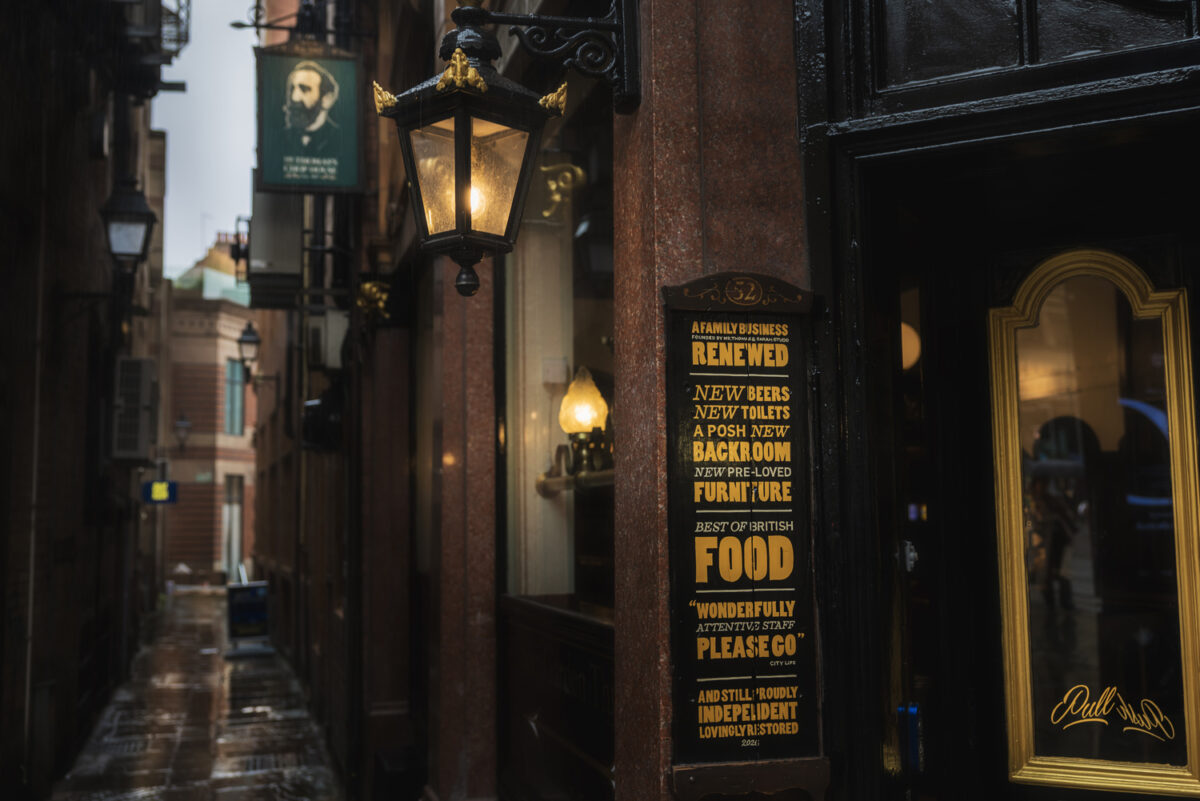
Roger’s son Billy has created a visual style based on authentic Victorian typography, while Greg Johnson from Cactus Sign Painting has painted much of it by hand. Roger was adamant he didn’t want artwork made on a computer, printed out and stuck around the place until it looked like “a chain”.
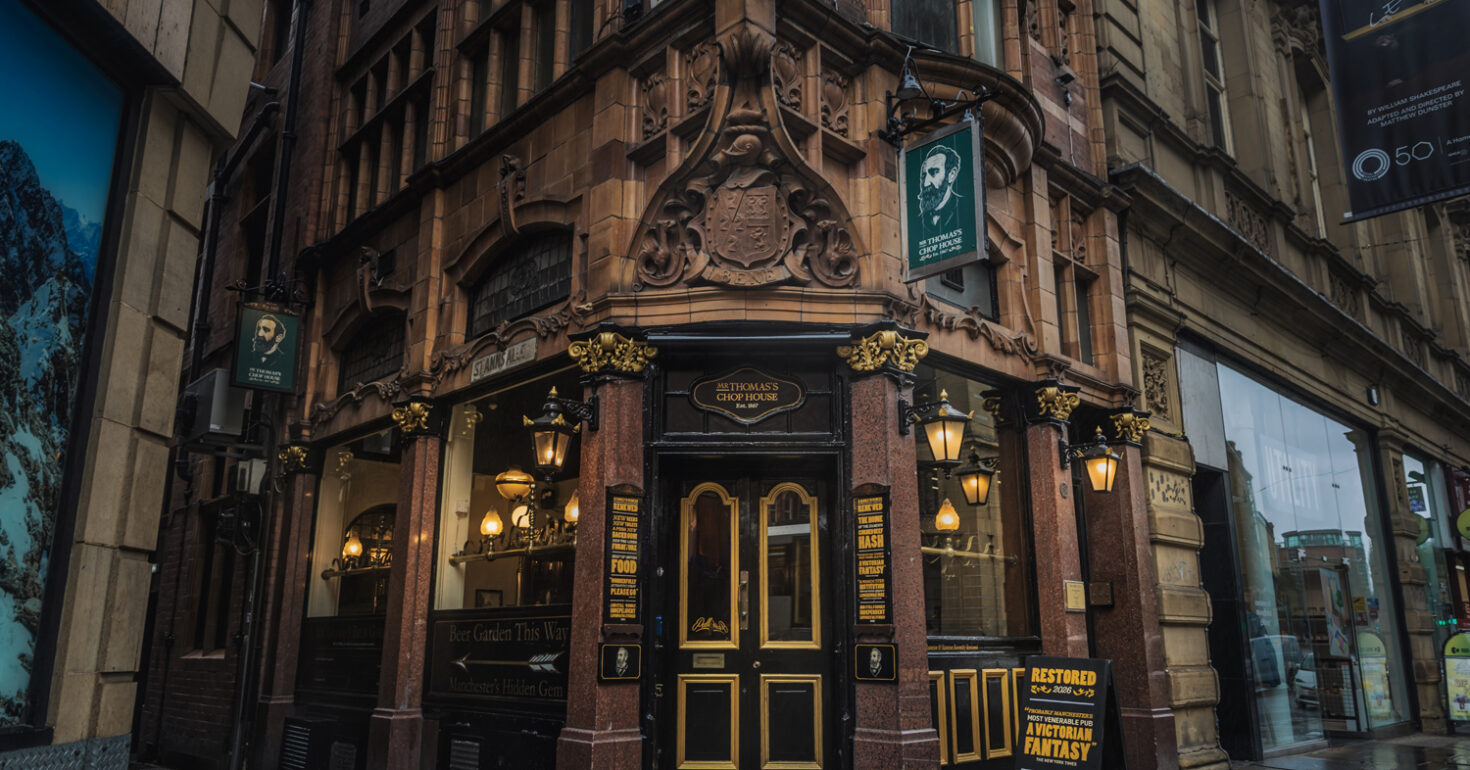
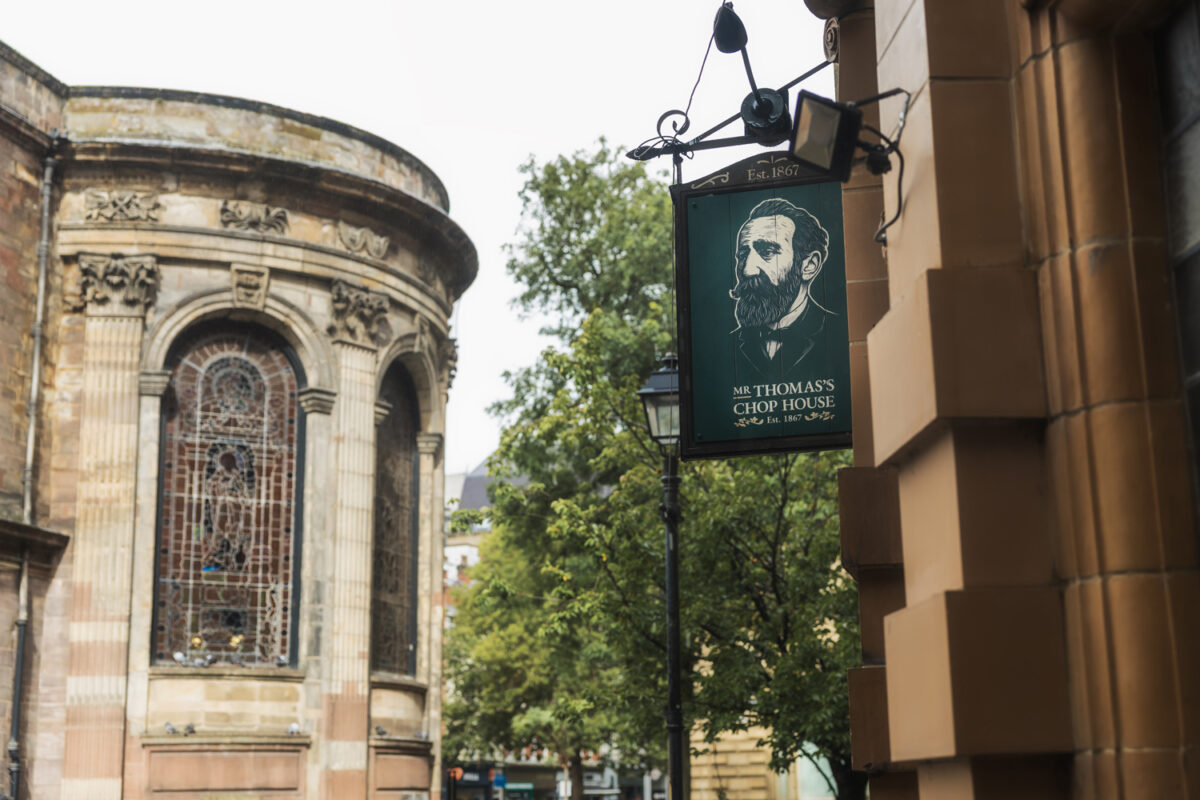
Outside, Thomas Studd – the London-born chef behind the original business – is now on the sign, redrawn from historic photographs as a Victorian-style woodcut. Roger’s research also uncovered more of the story: the business dates back to 1867, once had Manchester’s first ladies’ dining room, and was later run by Studd’s wife and daughter after years cooking without extraction left him seriously ill.
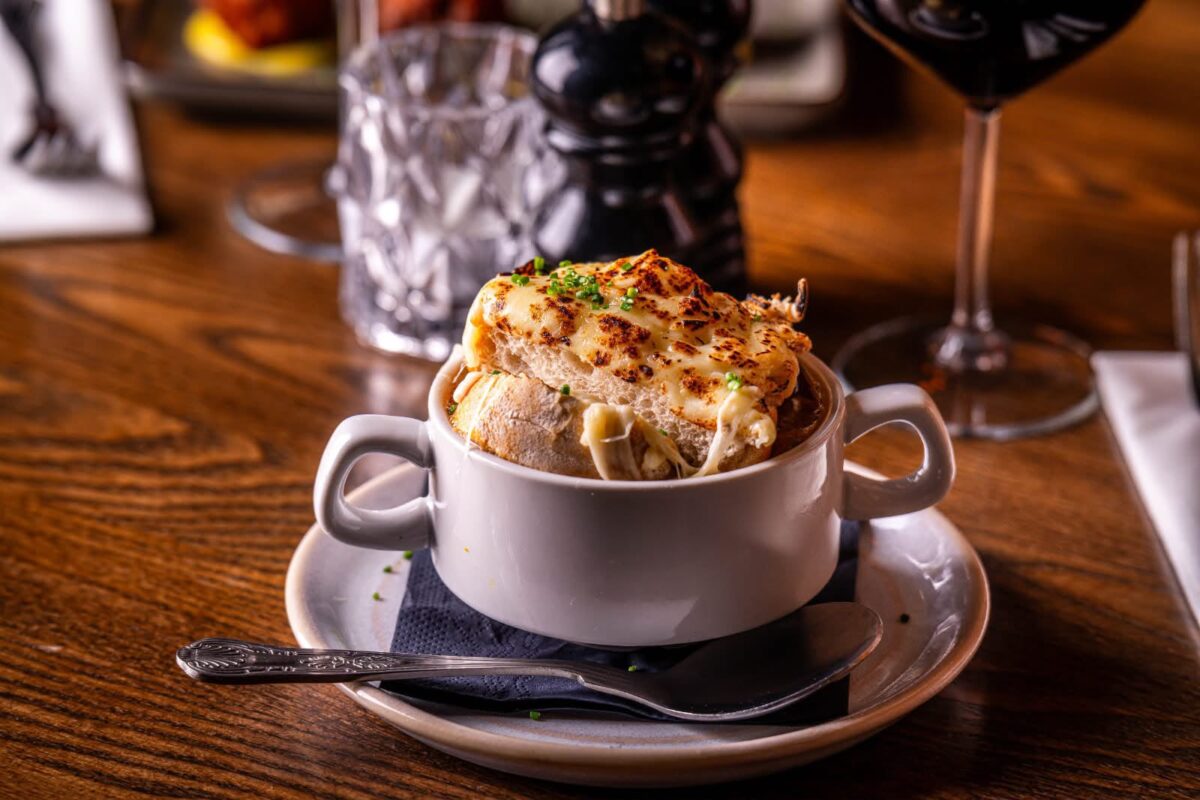
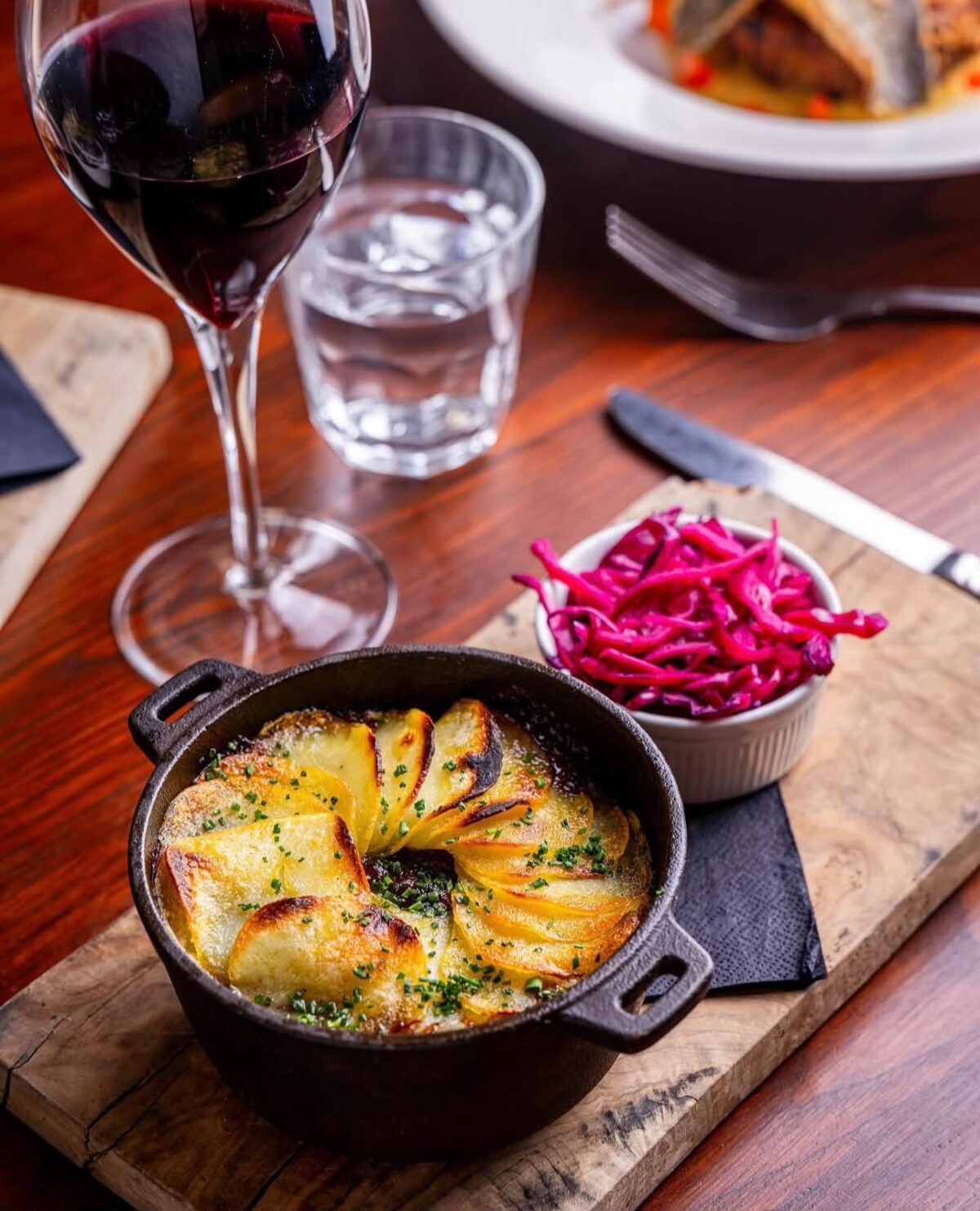
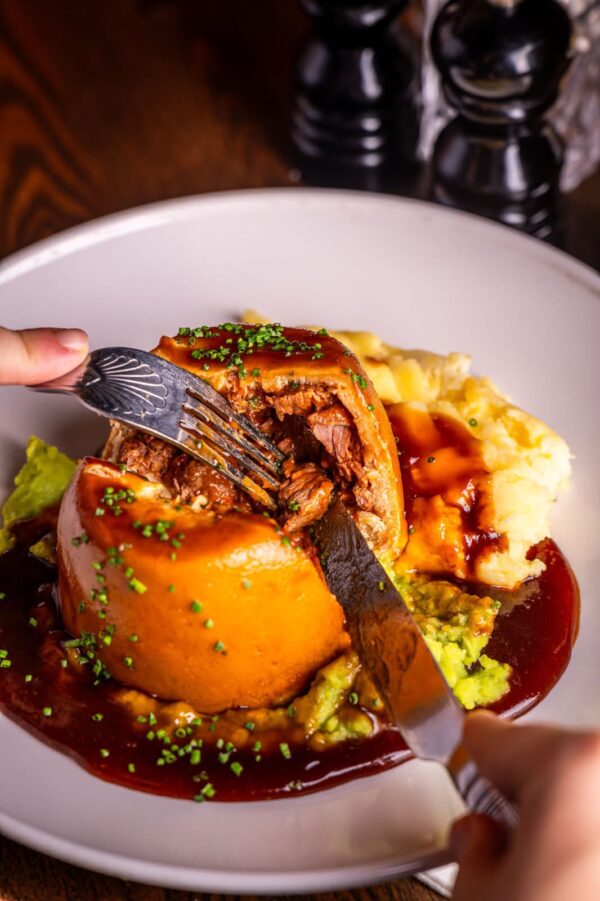
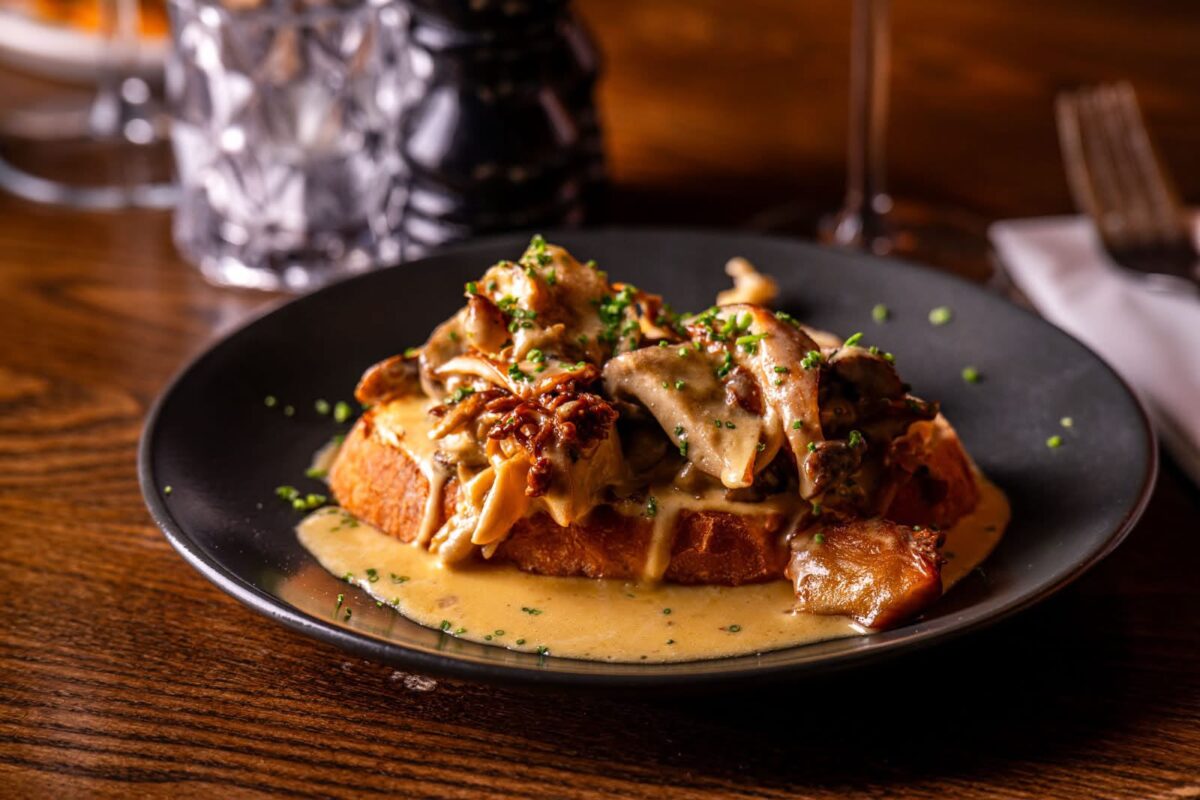
The menu has had similar treatment. Brown onion soup, one of the dishes Roger says built Tom’s reputation, is back after disappearing for years. So is pig’s cheek from an old recipe book. Lancashire hotpot has returned too, with a simple instruction to new head chef Lucas Donegan: make it better, as good as anything in the region, but don’t turn it into Michelin food.
Lucas is now just 23. This is his first head chef job.
Roger likes backing people early, and reckons Lucas is already “a very good chef” who could become a great one. His wider brief is uncomplicated: recognisable British food, cooked properly, at a level that makes going out worth the money.
That applies especially to the corned beef hash, a Tom’s Chop House staple Roger has no interest in watching chefs endlessly reinvent.
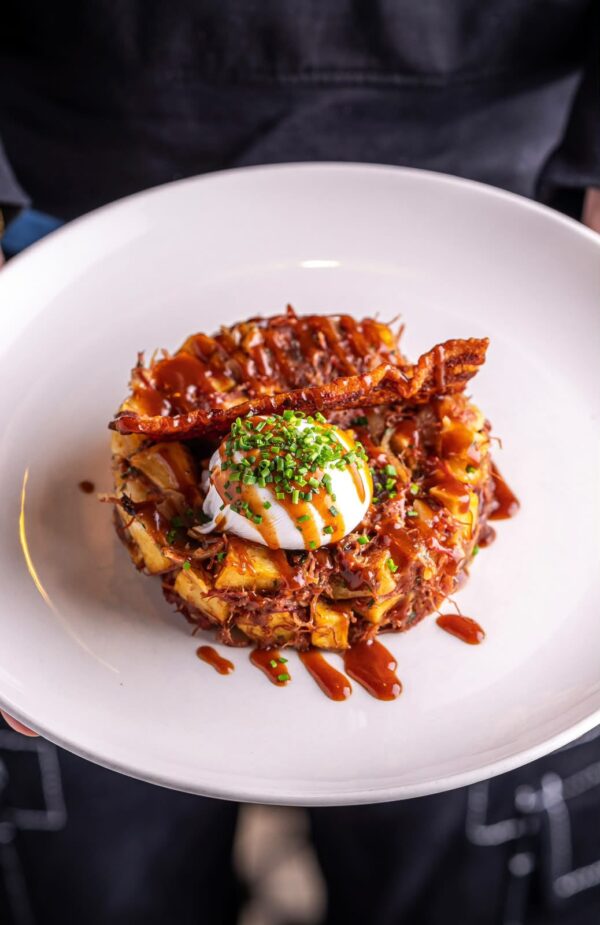
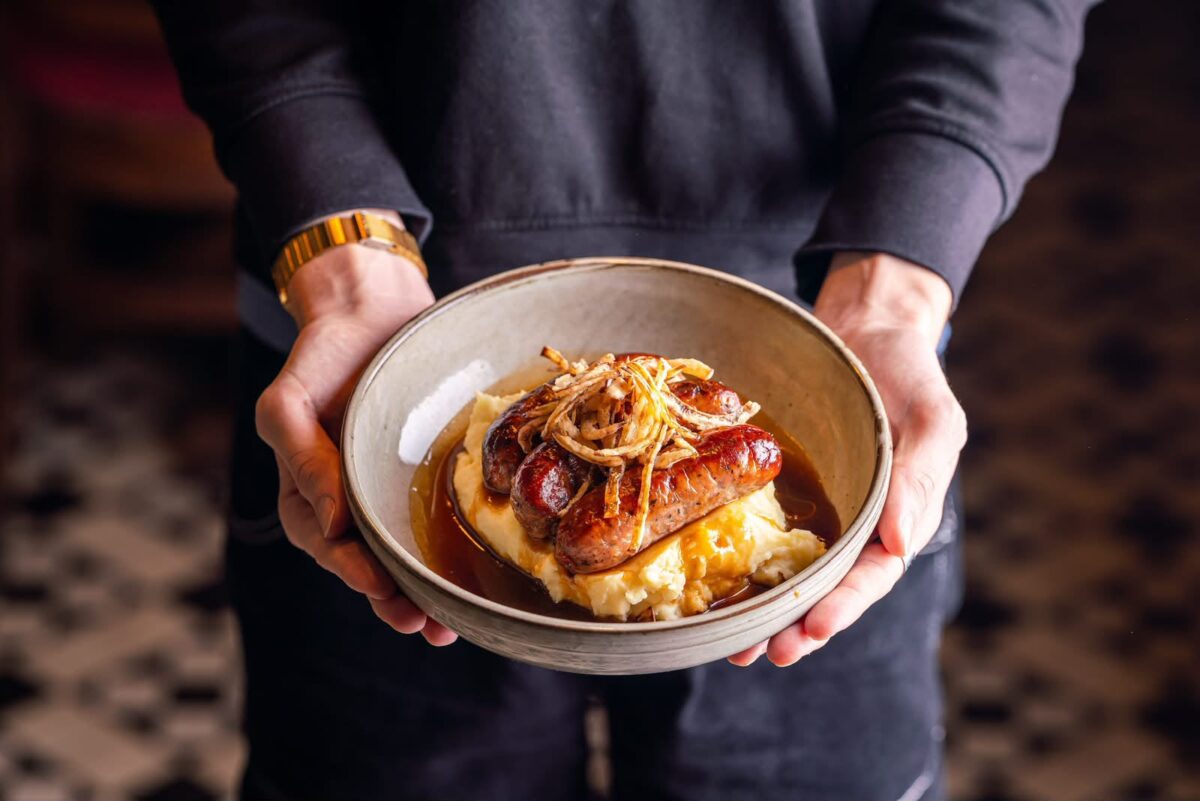
“I don’t believe in bollocks and hyperbole,” he says. “It’s a good dish and it’s hugely popular. It’s probably what we’re best known for, so we change it at out peril.”
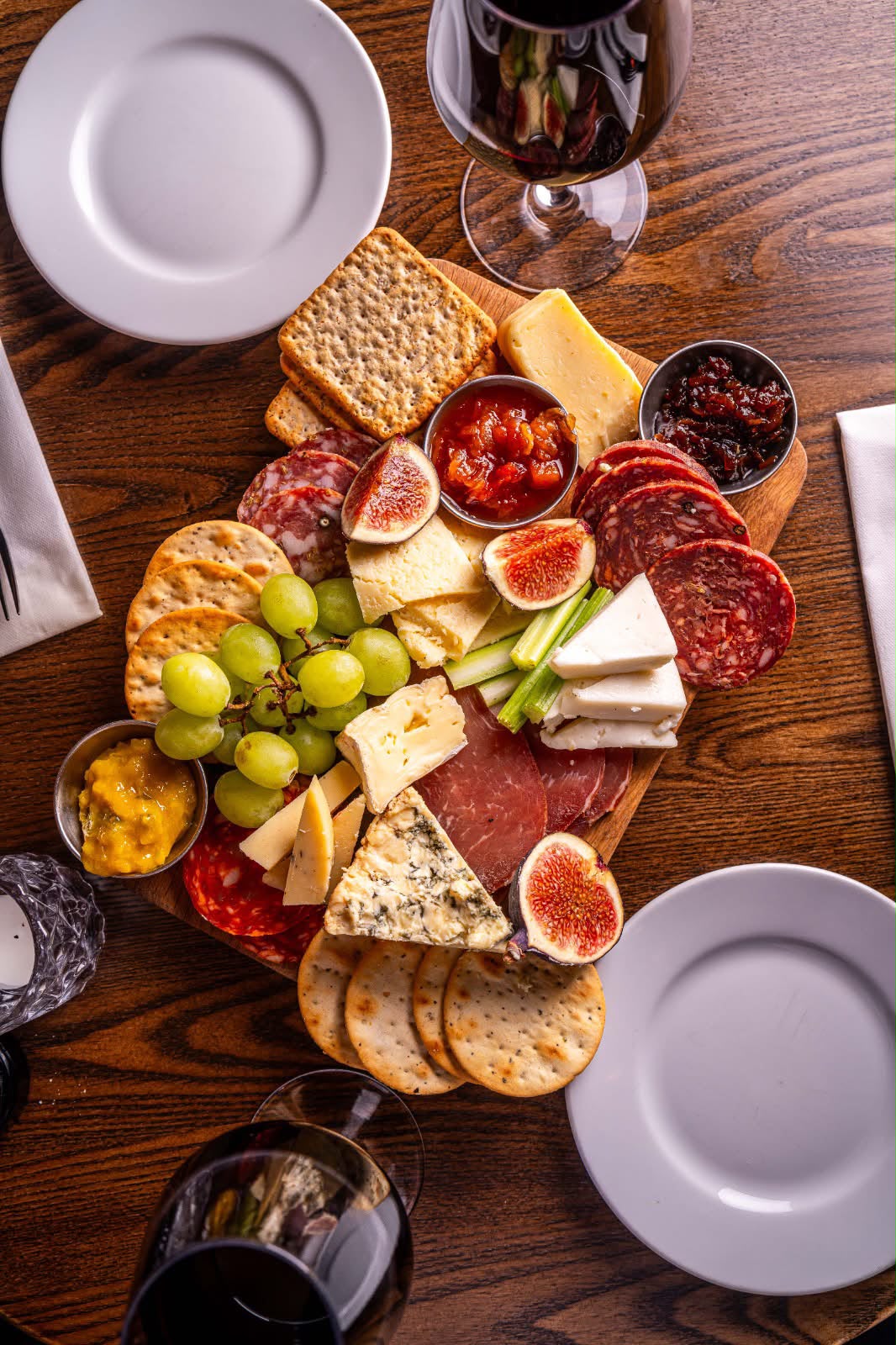
There are newer ideas too. The fixed cheeseboard has been replaced by eight seasonal British cheeses, ordered in whatever combination and quantity you want. Two customers recently came in three nights running and spent £52 each time on cheese, which is admirable work.
Then there’s the wine.
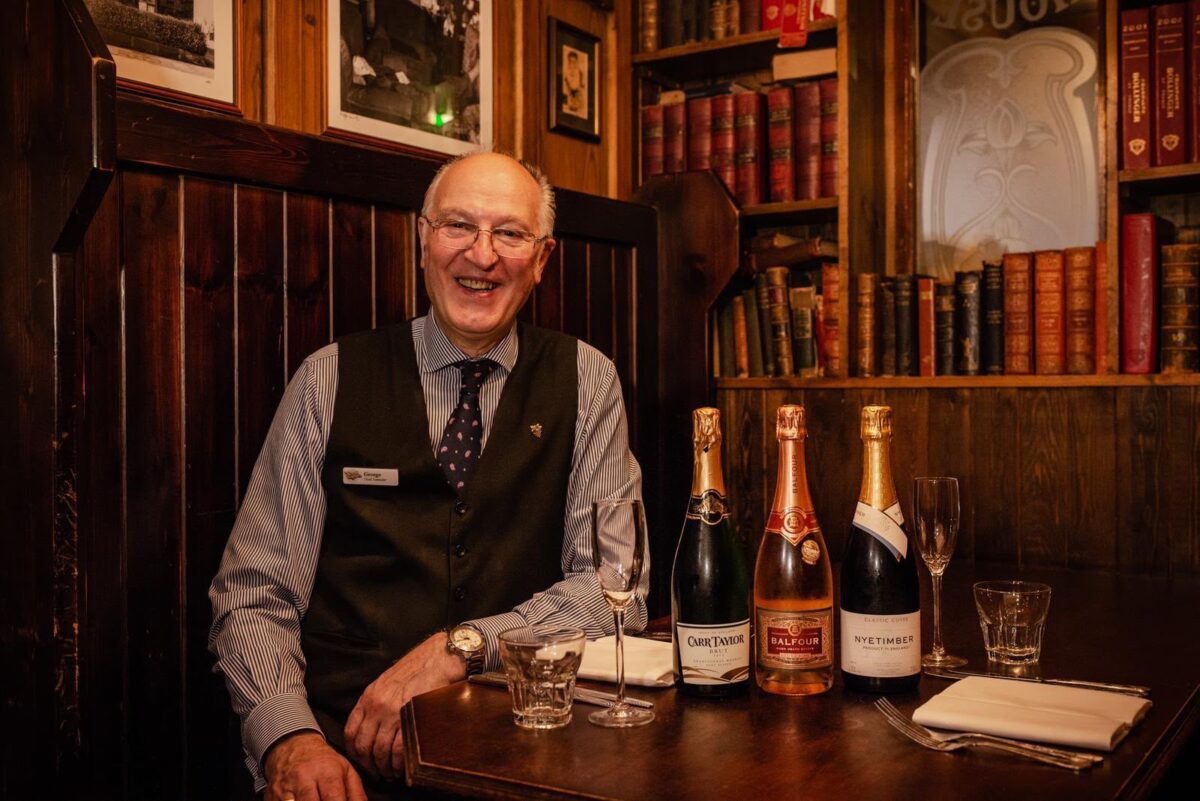
Tom’s and Sam’s have long had proper credentials here, helped by legendary head sommelier George Bergier, now 80 and approaching six decades working in Manchester hospitality. His CV takes in the Midland Hotel, Great John Street Hotel and St James’s Club, while Roger says the Chop Houses were the first restaurants in the history of Manchester to pick up Wine Spectator recognition.
Wine loving operations director Andy Coles, who joined after a long spell running all the hospitality bars at Manchester United, is now closely involved too. One of the more interesting additions is what he calls the “blacklist”: serious, expensive bottles sold at considerably softer margins than you might expect.
As the bottle price goes up, the percentage margin comes down. Roger’s logic is pretty simple. He would rather someone drank a bottle that might cost £800 elsewhere for £300 at Tom’s and remembered getting to drink something exceptional.
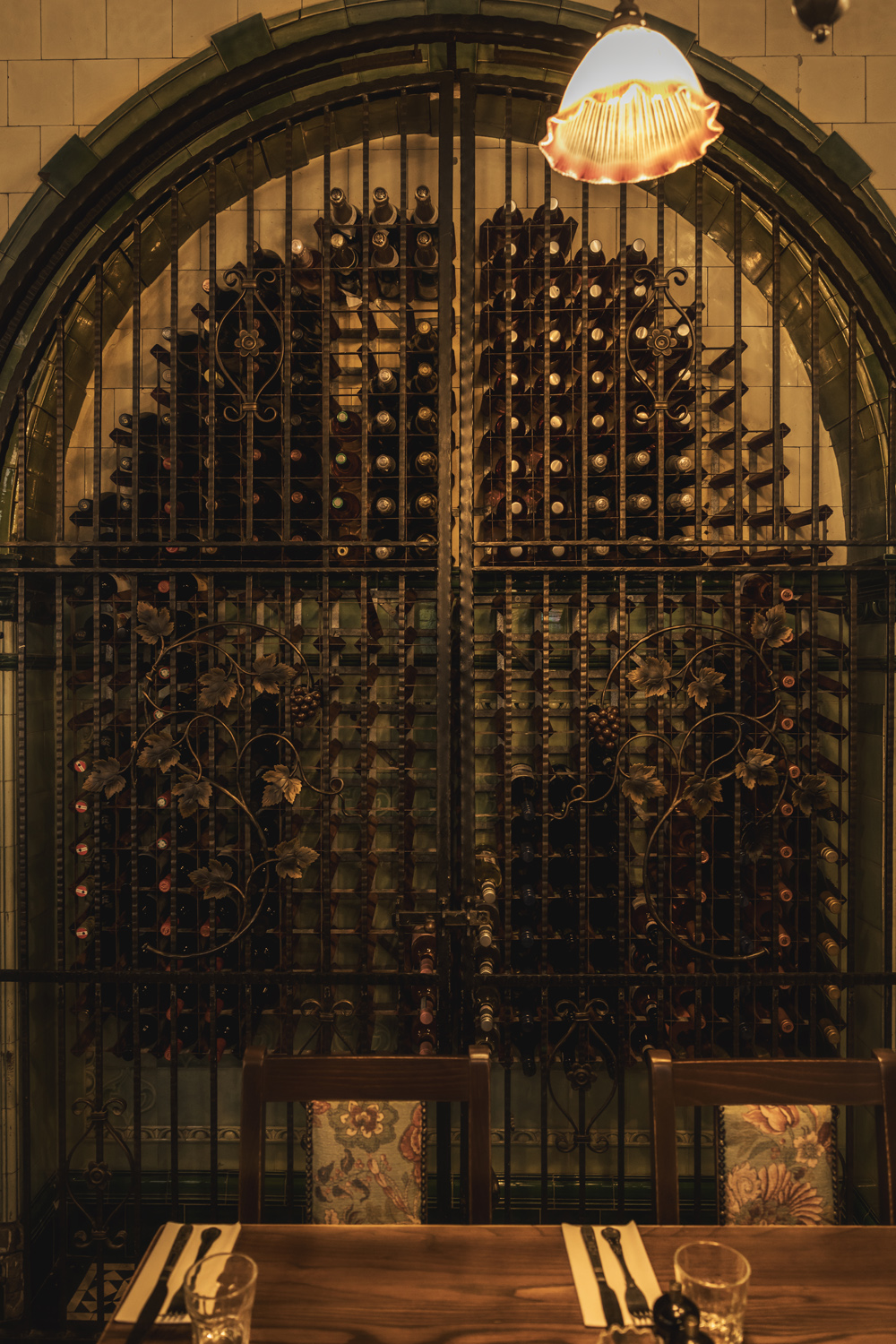
And, for the first time in its history, Tom’s will open on Christmas Day this year.
There is still one job left. The old board listing every known licensee needs another column. Greg will paint on the six most recent names, with current GM Jamie-Louise Harlow the latest addition. Jamie-Louise has her own bit of history with the place too. She joined the company at 19 and, after being promoted from within, became general manager at just 22.
It feels like a fitting final detail. Mr Thomas’s Chop House has been here since 1867, but nobody involved seems particularly interested in turning it into a museum.
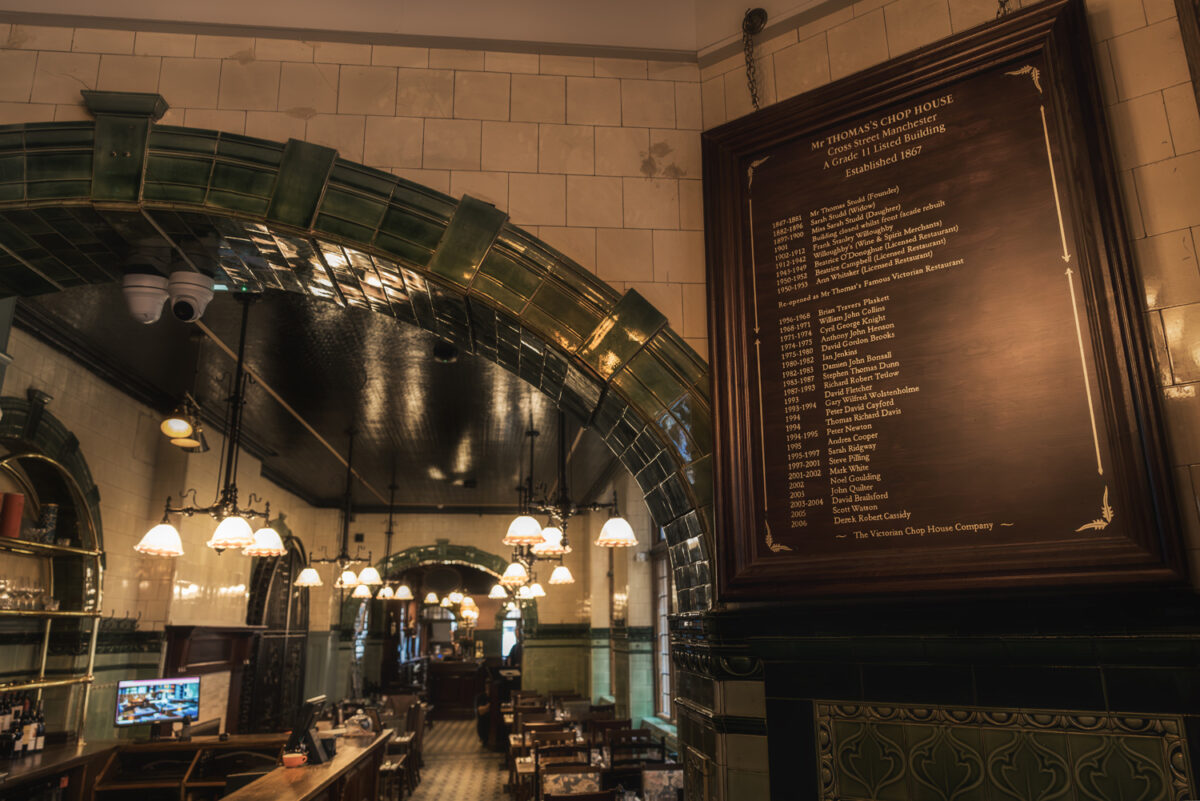
The history matters. So does what happens next.
And perhaps the best way to look after a place like this isn’t simply to preserve it, but to make sure it has a future worth adding to.