

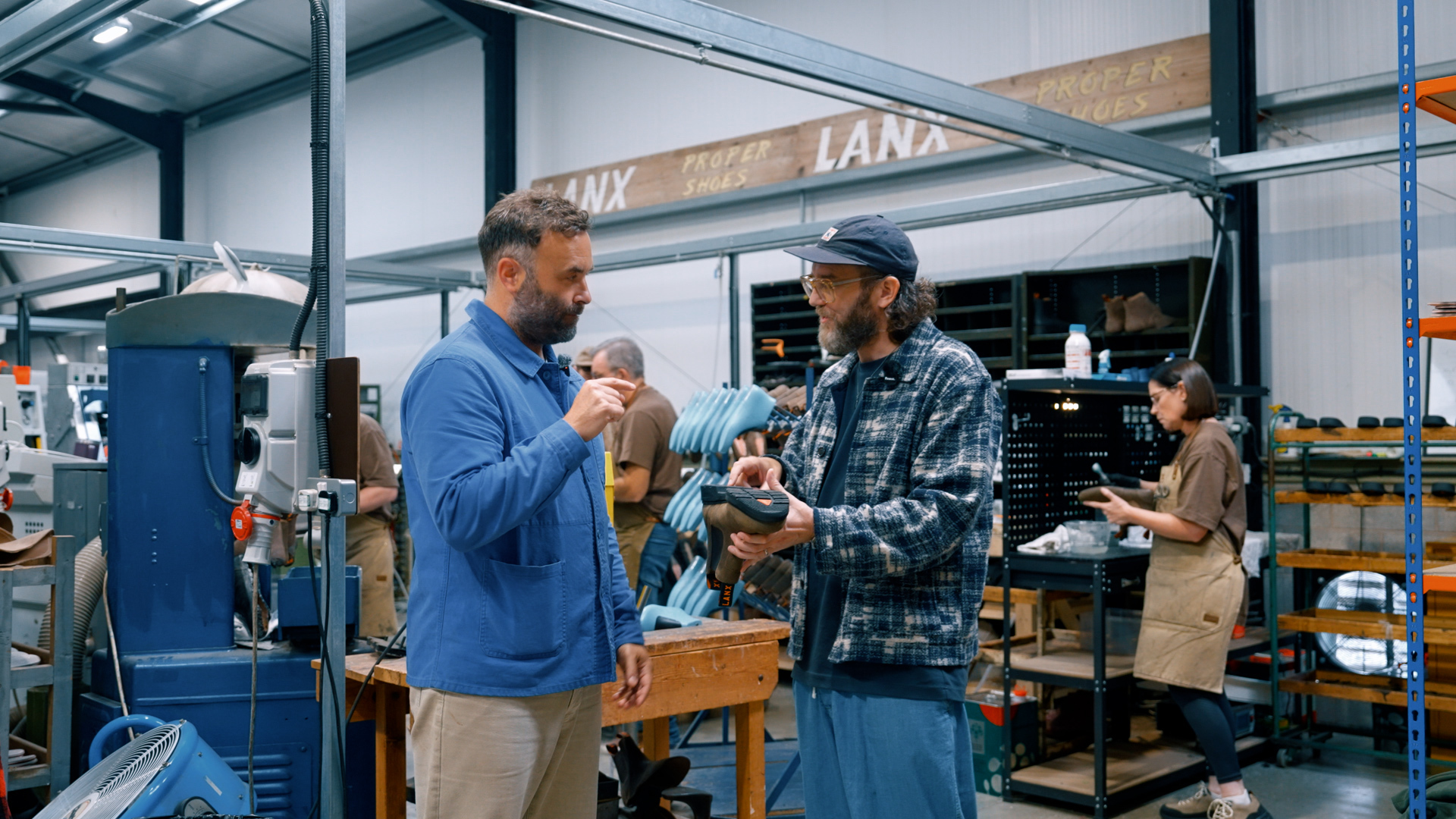
LANX are the shoemakers with one foot in historic making techniques, and one striding towards the future…
There was a time when Lancashire was full of shoe factories. In Rossendale and the surrounding valleys, footwear manufacturing provided generations of skilled work.
The shoes in question were mostly clogs, wooden soled, industrial-quality workwear with thick leather uppers, made to be worn by other sorts of factory workers.
They turned out shoes on a scale that rivalled even Northamptonshire – the slightly more famous home of British shoemaking.
Today, much of that industry has disappeared. But at LANX, the Lancashire footwear brand with a shop in Manchester’s Northern Quarter and its own factory around an hour away, are re-invigorating the Northern shoemaking scene.
The business began with founder Marco ‘Marv’ Vaghetti, initially as a solo operation, sourcing and selling footwear at markets around Manchester and the North West. “So me, a couple of mates in vans just running around,” he says.
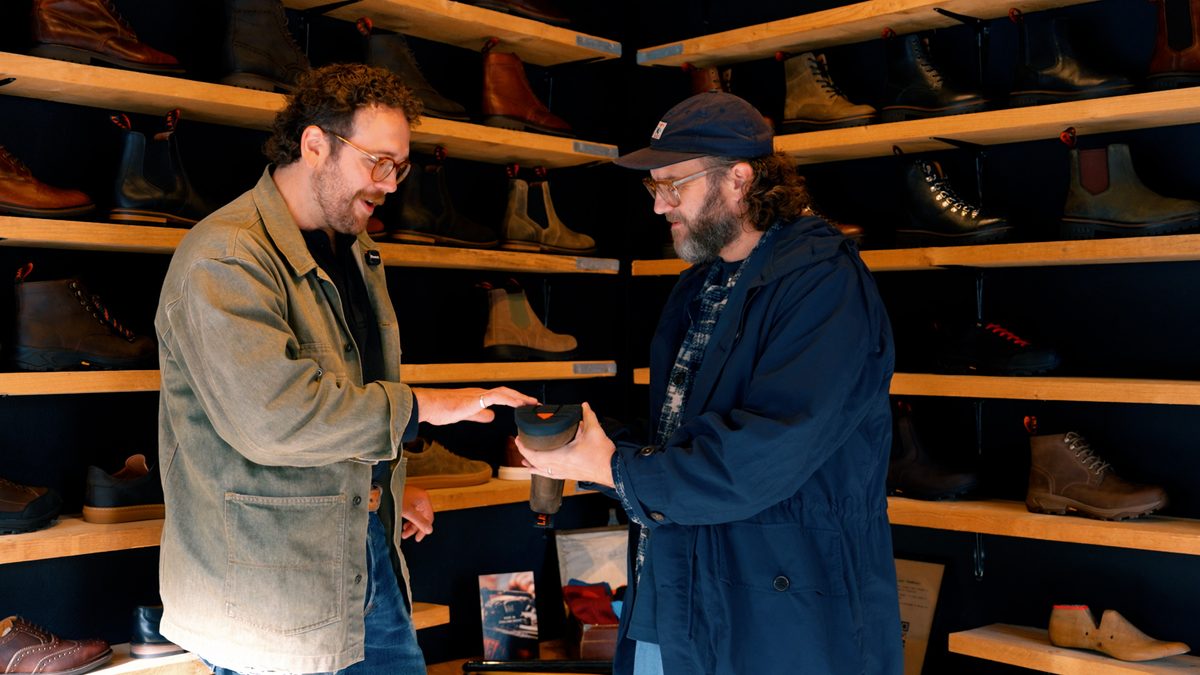
LANX launched in 2018 and those early market years provided an opportunity to meet customers face-to-face and establish the character of the brand. From there, the business steadily expanded, later opening its Northern Quarter store in 2022.
It became apparent that there was a gap in the market for well made footwear with character that transcends trends and utilises the best materials around. So the manufacturing element came later, by popular demand.
“At the start of Covid we had four staff and now we’ve got 60, and [we’re] proud to have our own factory as well now,” Marv said.
It’s not surprising their designs have become popular. They work with the most classic of silhouettes, from Chelsea boots to loafers to hiking boots.
They select classic materials in a neutral palette of colours, and design in really useful and durable features like water resistant suede and high-performance Vibram soles.
The result is a range of shoes for men and women that work with modern wardrobes, equally at home in the city as they are on a hike or in a country pub.
They aren’t cheap, but they’re the kind of pieces you’ll have in your wardrobe forever, because that’s what they’re designed to do. You get what you pay for.
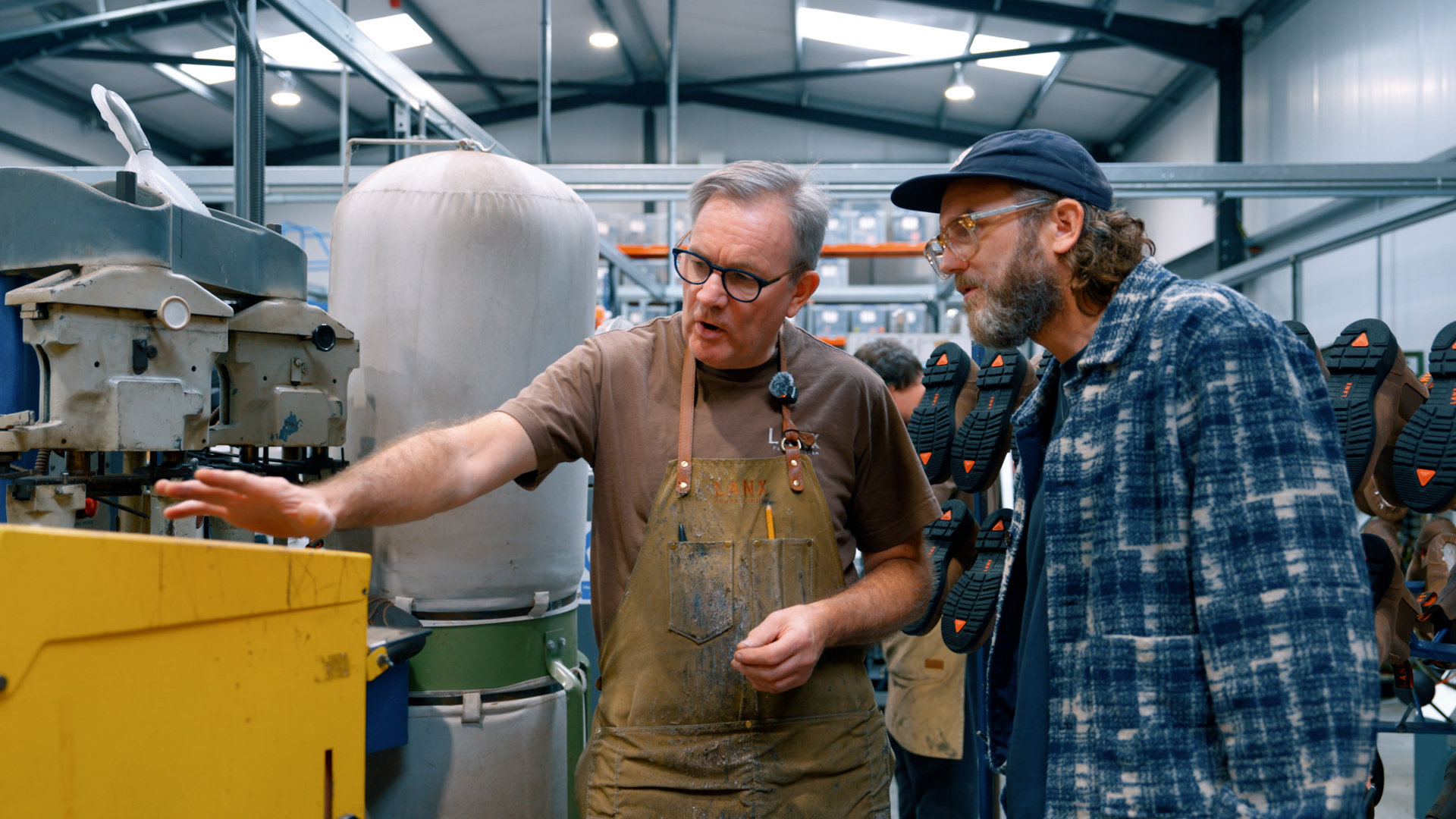
And as the brand has evolved, the company has increasingly invested in making shoes closer to home and rebuilding some of the skills once widespread across Lancashire.
“There used to be 200 shoe factories in Lancashire,” Marv said. Now there’s only a handful.
The focus on provenance runs throughout the business. The majority of LANX footwear collections and all of its accessories are made in England, while the company also works with British suppliers for materials and manufacturing.
The team is small and highly specialised, with everyone focussing on a different part of the complex process. For instance, senior laster Richard has worked in the industry for more than 40 years, beginning his career after leaving school in the late 1970s.
His role is a highly specialised one, responsible for crafting the leather uppers of shoes.
It hasn’t always been a given that he’d be able to do what he does, at this point in time, in this part of the world. Now he’s passing these skills on to a new generation of makers, like Josh, a younger member of the LANX team.
“Construction, craftsmanship. I like materials, I like the history of it, I like the fashion, the whole thing, everything,” Josh said of his fascination with shoemaking.
Nowadays, LANX work with a lot of ‘Made in England’ leathers, a practice which taps into a growing movement towards slow fashion and sustainable practices in the wider fashion landscape.
Even people who aren’t workwear nerds or vintage obsessives are more interested than even in what their clothing is made from, where it’s made, and how long it’ll last.
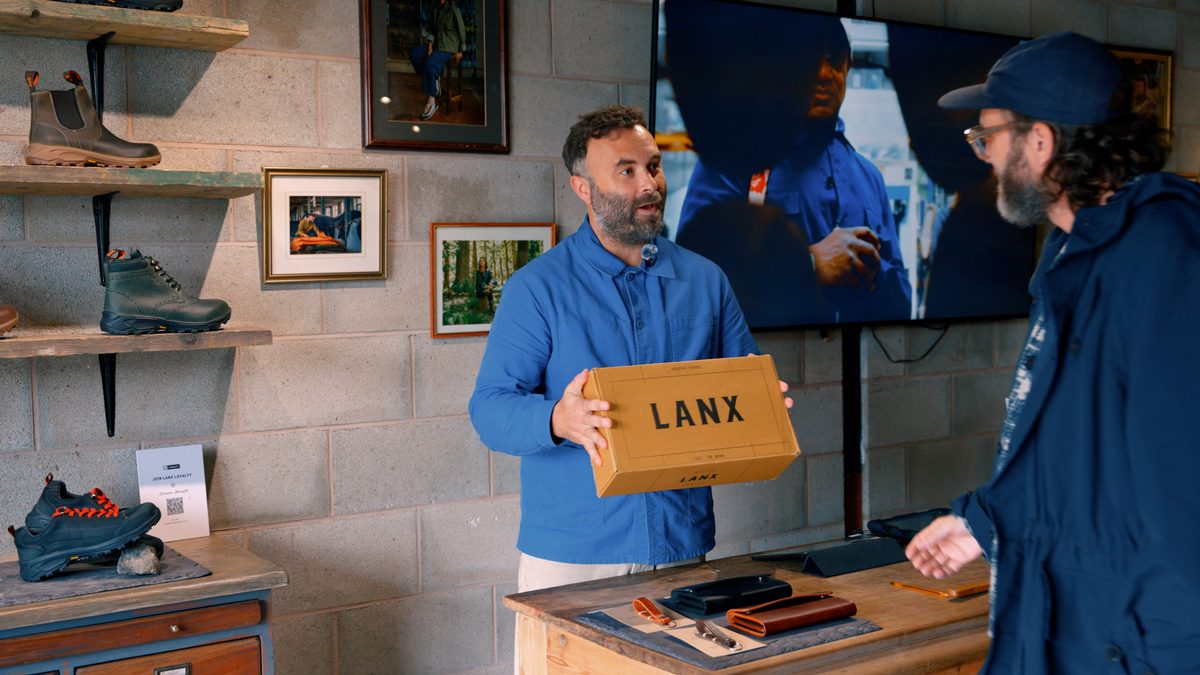
It’s that tactile relationship with apparel that is part of LANX’s appeal – from their cosy Northern Quarter shop stopped by people who know the products inside out, to the Whalley factory and factory shop, where the smell of leather and the rhythmic clunking of machinery make for a truly atmospheric backdrop.
And while they’re still quite a small operation, a well-trained eye won’t have trouble spotting a LANX while out and about.
“I like it when I see them in the wild,” Josh added. “You see them in the pub or something and you’re like, ‘I made that.’”
Read More:
24 Hour Party People marks 24th anniversary with Steve Coogan Q&A and nationwide free screenings
Greater Manchester announces £15m culture fund for organisations across all 10 boroughs
UK’s largest Chinese garden to open at RHS Garden Bridgewater this weekend