It’s not every day you find yourself staring into a neolithic monument that pre-dates the pyramids of Egypt around three hours from your house in South Manchester. But here we are.
700 years older than Stonehenge, and easier to reach from our home town, Newgrange is one of the most fascinating historic sites in the British Isles. Tragically, though, it rarely features on itineraries when people jump on the hour-long flight to Ireland from North West England.
Constructed in 3100BC, megalithic artwork carved into the structure is still clearly visible on the exterior. An evocative window into human prehistory, the atmosphere only gets more omnipotent inside. Following the narrow passageway into a central chamber, it’s at this point your guide will probably explain the winter solstice alignment, meaning each year the interior is flooded with sunlight on the morning of 21st December thanks to a roof box above the entrance.
Even if you’re not lucky enough to witness this phenomena first hand, the idea this incredible design was conceived and created so long ago is hard to get over. As is the fact that some of the materials used to build the site came from as far away as Mournes and the Wicklow Mountains — between 50 and 60 miles north from here.
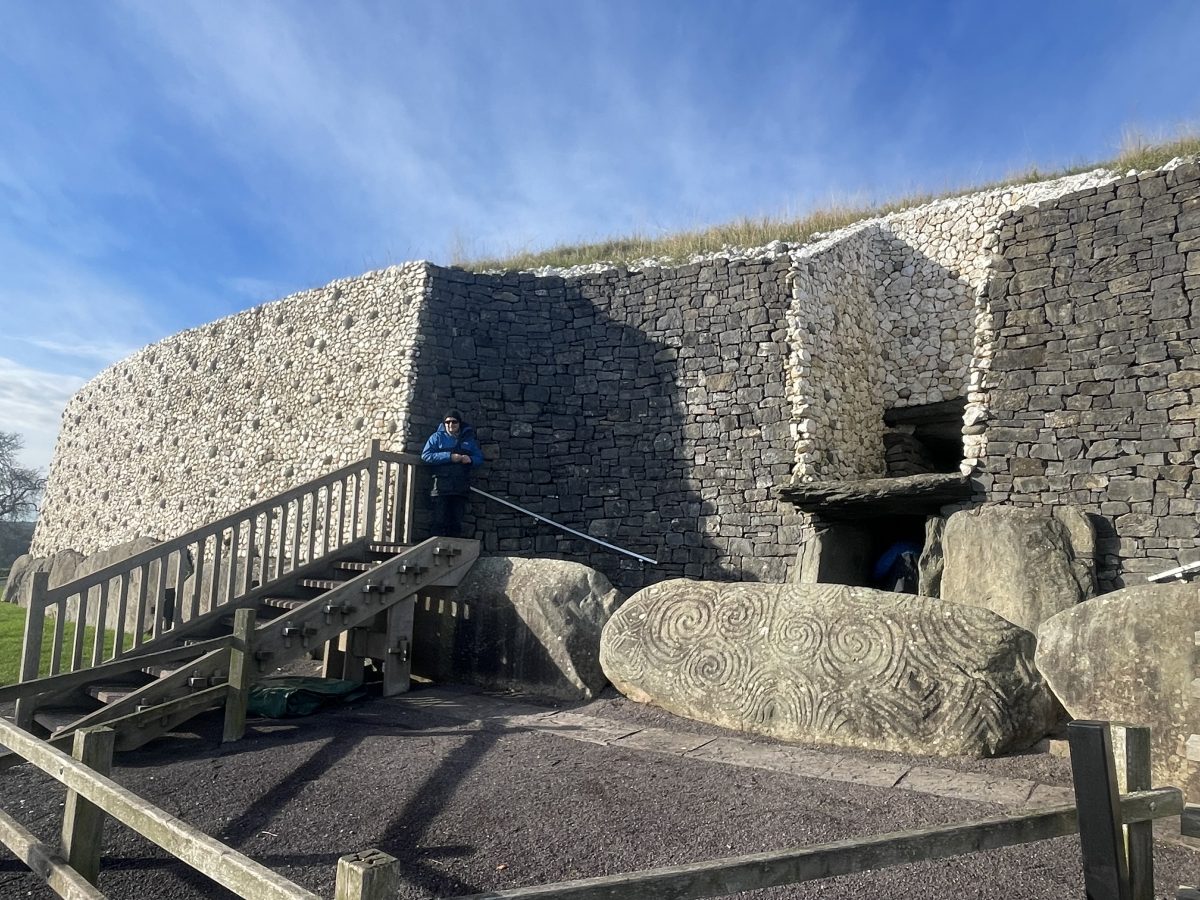
Outside, the setting is almost as spectacular as the story of this ancient mound, flanked by the kind of rolling green hills that have inspired poetry and folklore about Ireland for millennia. In terms of jumping off points for a weekend break, it doesn’t get much more dramatic, especially when it only took about 30 minutes to get here from Dublin Airport.
The drive is beautiful, but one many visitors from overseas don’t prioritise. Arriving mid-morning, en route we’re treated to a traditional breakfast stacked with local produce at the inimitable Sage & Stone Café. This working farm, restaurant and takeaway also hides an arts, crafts and gift gallery, and the relaxed pace of life means memories of Manchester Airport queues, let alone the chaos of life in the city itself, dissipate in the post-feed haze.
It’s a feeling we grow increasingly accustomed as County Meath and the Boyne Valley continue to reveal their secrets. Best known, globally at least, for the decisive Battle of the Boyne, which saw William of Orange consolidate power in Ireland and establish Protestantism as the dominant religion, conversations with locals prove the area is also rapidly gaining a reputation as an artisanal region.
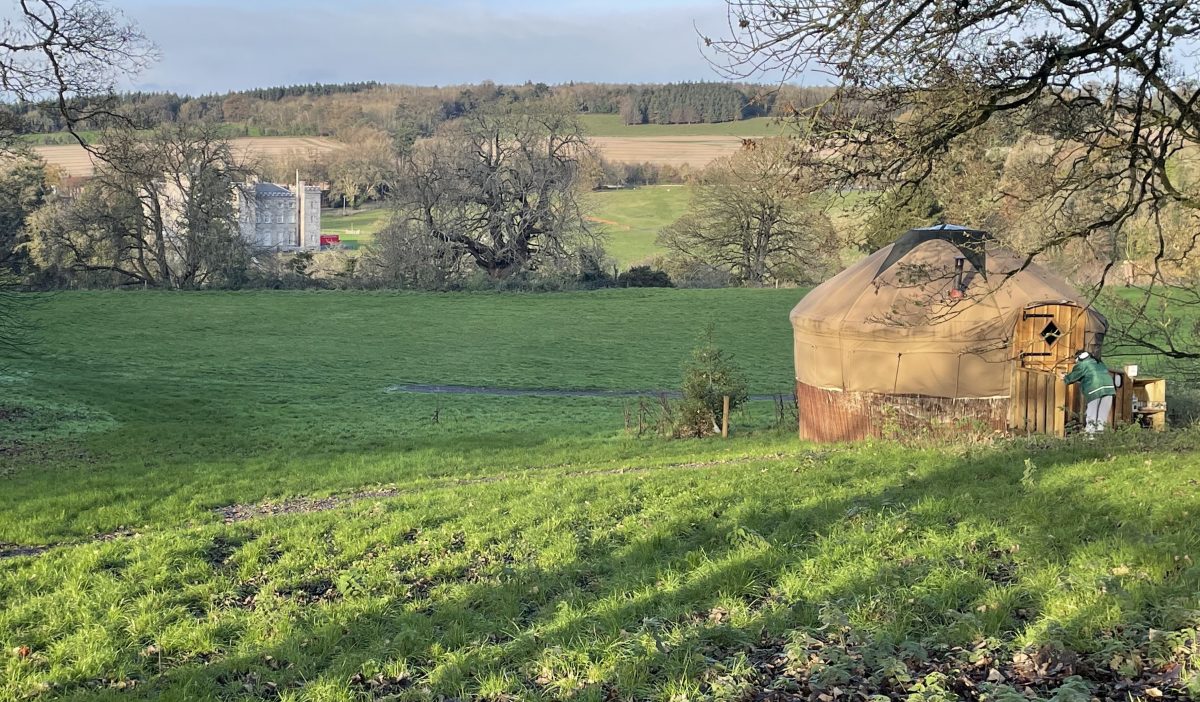
The beautiful 90-acre farm and ecotourism destination Rock Farm Slane — nestled in the gorgeous grounds of the Slane Castle Estate — is one example. Available for weddings, parties, vacations and other bookings, the waitlist for full venue hire is understandably significant.
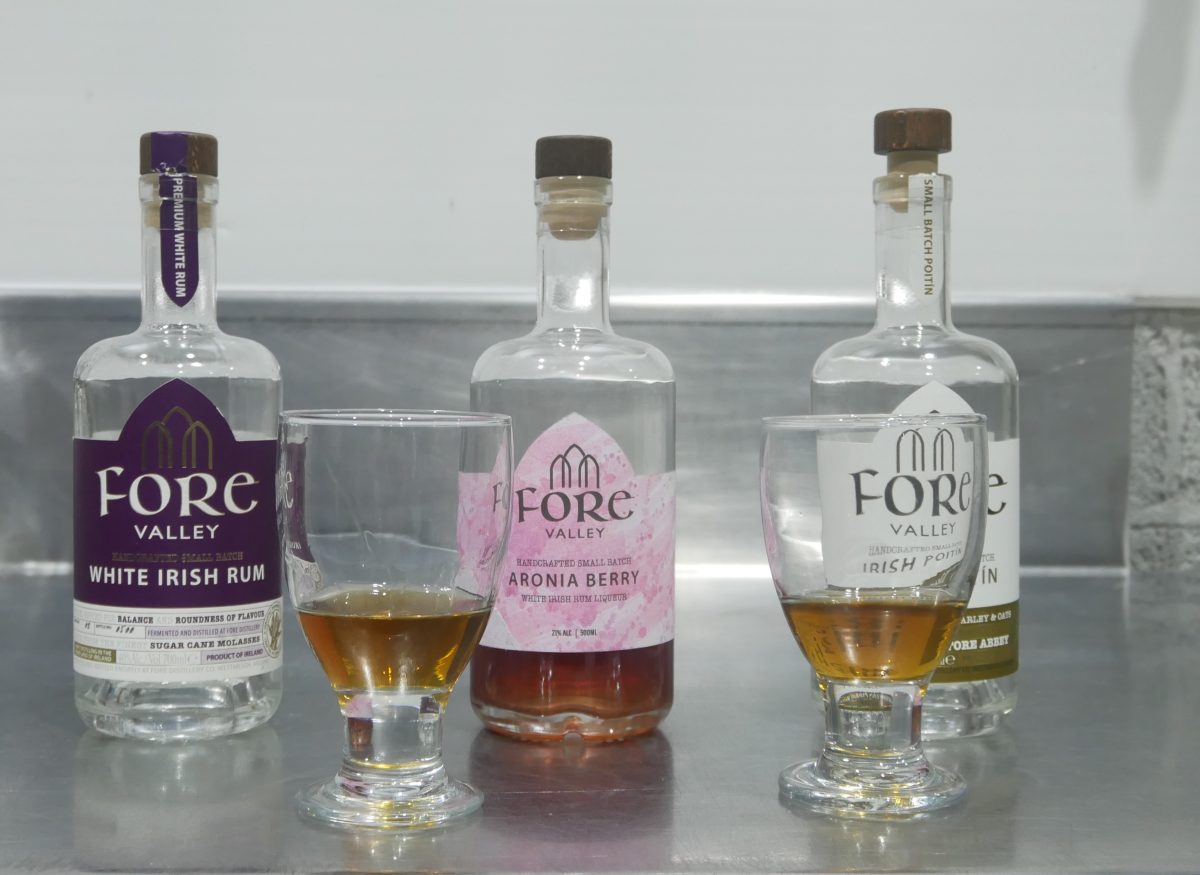
The there’s Sheridan’s Cheesemongers, where pots of tea are served with an incredible selection of dairy produce, making you realise what’s been missing from your usual brew breaks back home. And, close by, Fore Distillery is busy repositioning Irish poitin as something more than knock-out moonshine.
The fiery spirit has its roots (and reputation) in bootlegging. But here it’s made with the passion, care and quality ingredients you’d associate with a fine single malt. A world away from what we’re told during the tasting — that the reason Irish funerals traditionally last several days is so family and friends have time to make sure the deceased is in fact dead and not in recovery from an overzealous session on this once-unregulated sauce. We can only assume it’s a half-joke.
Back in reality, Fore also produces a range of small batch liqueurs from the same tipple, with the wild nettle infusion particularly pleasing on the palate. At which point it takes every bit of willpower not to fill our bags with one of each for the cabinet at home. Not to mention the impressive Golden and White Rum which also line the shelves of the on-site shop and sandwich bar.
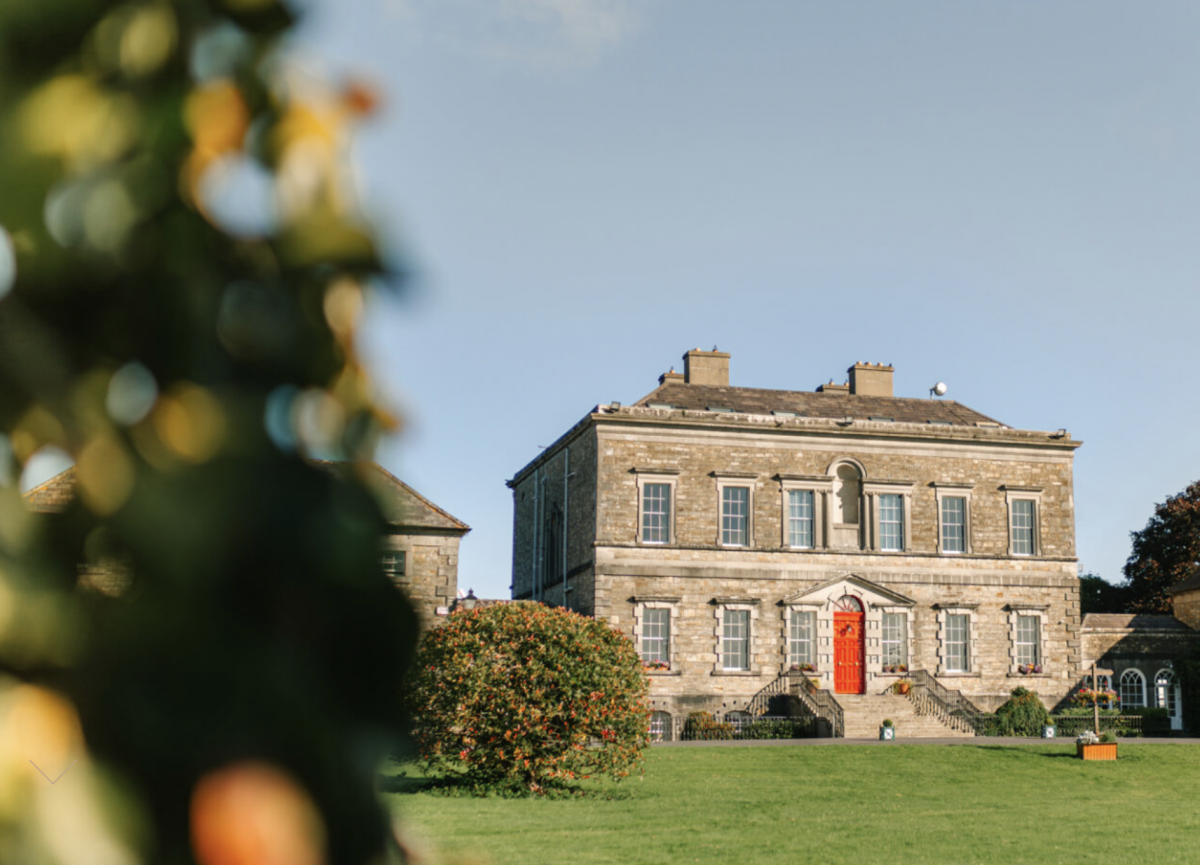
Suitably sated and quenched, thankfully options for places to stay are every bit as impressive as the countryside and the gems it hides. Bellinter House Hotel is particularly jaw-dropping. A grand Georgian mansion built in 1750, designed by Richard Castle for John Preston, grandfather of the first Lord Tara, it has been painstakingly and thoughtfully restored and renovated and now includes a serenity spa, outdoor jacuzzis, and a former upstairs chapel where we enjoy an evening gong bath.
A perfect prelude to the main event — dinner at the AA Rosette-recognised Preston’s restaurant in the lower floor of the Main House. As you would hope, given the location, menus are seasonal and predominantly made up of local produce with vegetarian and vegan options. The wine cellar is also first rate, adding to the sense we’re continuing the tradition of luxurious candlelit indulgence that has been a staple here since the aristocrats moved in. The huge rooms, complete with ornate king size beds, original sash windows, rainforest showers and freestanding baths, also help.
More understated, but just as memorable, The Station House Hotel at Kilmessan occupies the buildings of an old railway junction from 1862. Transformed into a boutique inn circa 1984, it successfully marries clean and contemporary with traditional aesthetics, with the bar area in particular speaking to the whiskey lover via a fine choice of drams, open fire and leather wingbacks.
At the other side of the building, The Signal Restaurant is the perfect choice for our last supper and, thanks to its use of Boyne Valley, County Meath and Irish produce, a real source of pride for the Slattery family who run the establishment. Many dishes are modern takes on authentic staples, and breakfast is also unmissable, with the homemade jams and preserves reliant on the owners’ own garden.
With an estimated 35% of Manchester’s population believed to have some form of Irish heritage, connections between our city and the second largest island in the British Isles are well-understood. Connections to major cities like Belfast and Cork are incredibly frequent, and escaping for a few days to our closest overseas neighbour is a perennially popular choice for weekend breaks and longer holidays. But after arriving back at Dublin Airport, we can’t help but think about how far removed from the typical itinerary the Boyne Valley feels, yet how close it is to both our point of departure and arrival.