

The spoken word artist and rapper on Tourette’s, restorative justice and the experiences that shaped his sound...
Dan Whitlam spends a lot of his life turning thoughts into poetry, so it’s perhaps no surprise that even casual conversation with him feels like it might turn into a line of verse at some point down the line.
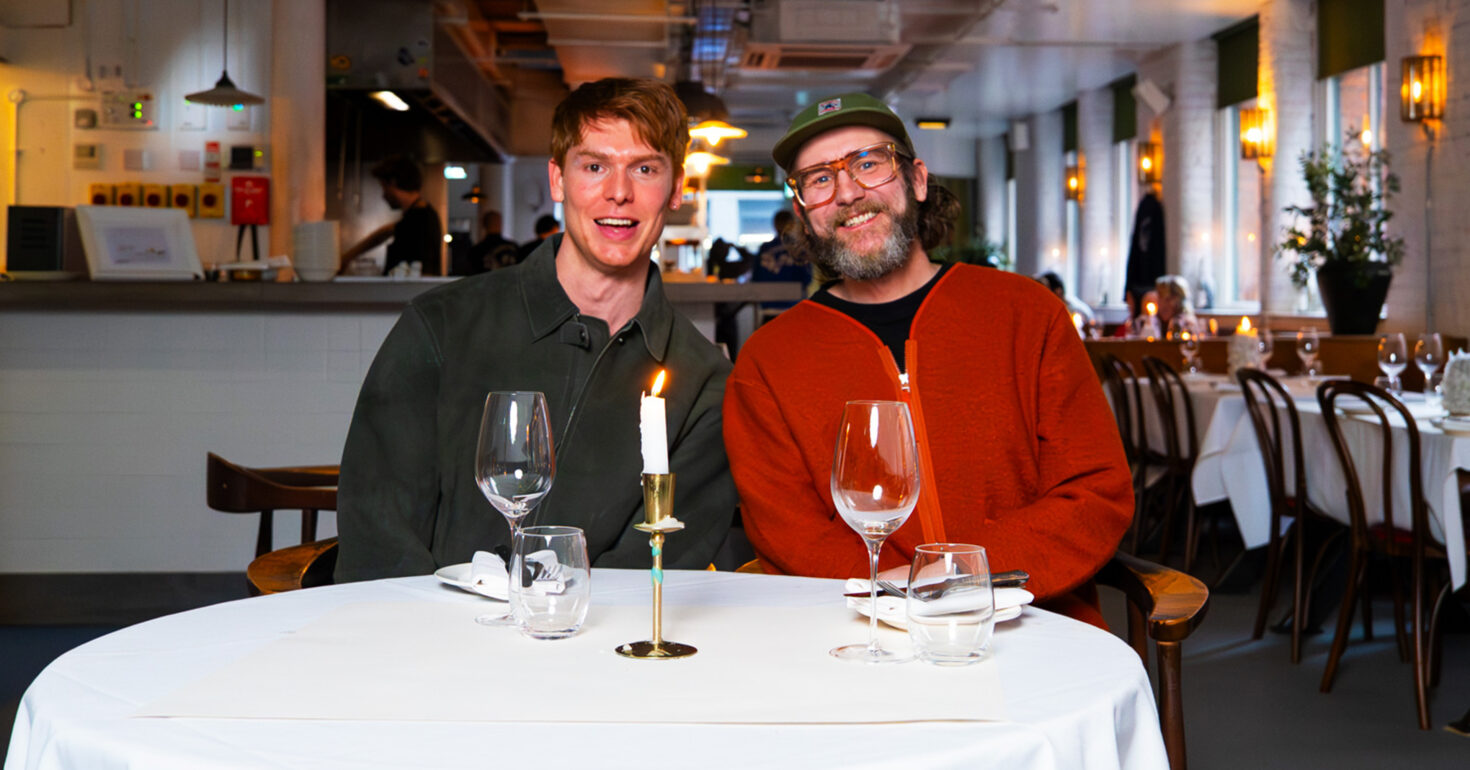
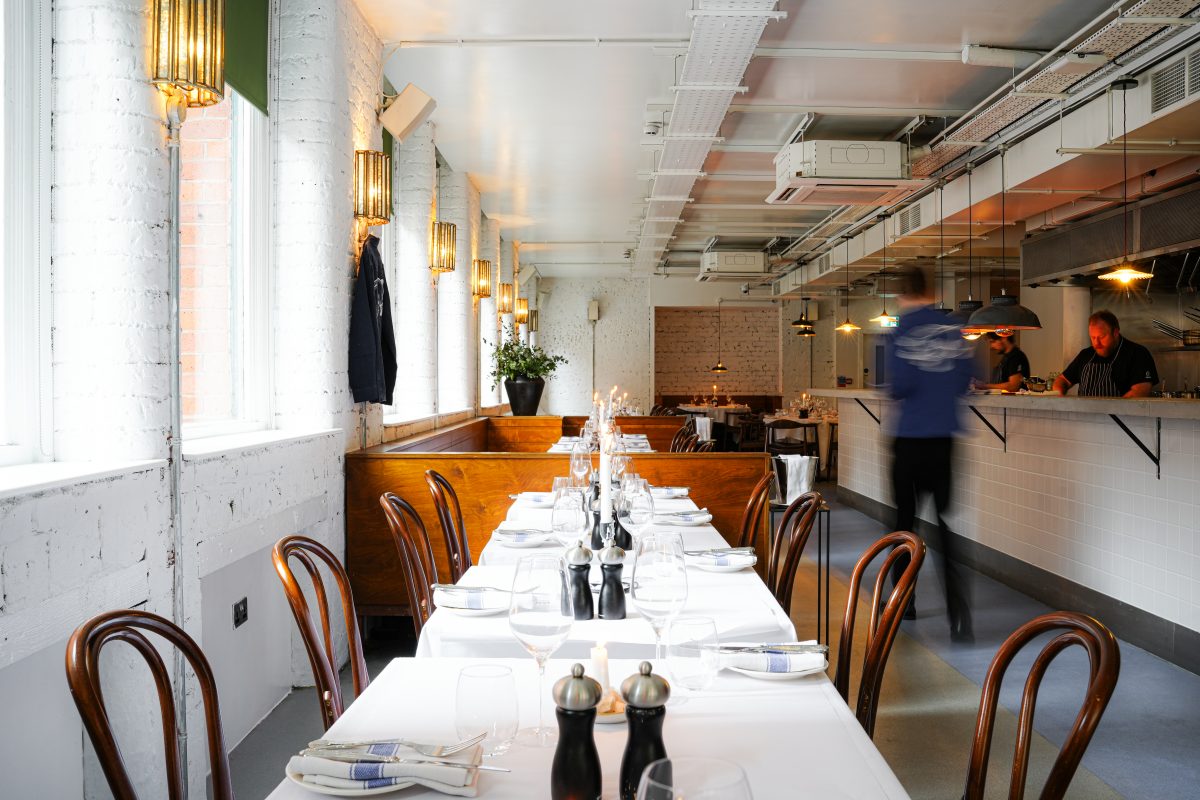
Over lunch at award-winning chef Shaun Moffat’s Winsome, he moves from stories about family and food to the strange discovery that his mum once had a photo taken with Vladimir Putin.
Cue some concerns that his dad – a razor blade salesman for Gillette – might have been a spy. Nothing like a bit of intrigue over a plate of oysters.
There was wine, there was ox heart, and there was the sort of sticky toffee pudding that can temporarily derail an interview, and potentially send you to bed for the rest of the afternoon.
If you’ve come across Dan online, or seen him live, you’ll know he has carved out a lane that sits somewhere between spoken word, rap, songwriting and raw, diaristic storytelling. He’s released his debut poetry collection I Don’t Want To Settle: Words for a Lost Generation in September last year, and his debut album Strangers (Again) landed in February 2026, a project he describes as the first time all the different parts of what he does have really come together as one full body of work.
The album is very real, very vulnerable and, judging by the reaction so far, connecting with exactly the people it was meant to.
A lot of that connection comes from the fact Whitlam is not interested in sanding the edges off his life. He speaks openly about growing up between London, St. Petersburg and Istanbul, about Tourette’s Syndrome running through his family, and about how performing seems to quiet something in him that normal life can’t. Something in the music, the rhythm and the expression; the noise fades. There’s something quite beautiful in that.
A pivotal moment in his life was a violent assault he suffered aged 16. He was stabbed with a screwdriver, suffering a punctured lung, a moment that redefined his life. He later chose to meet the boy responsible through a restorative justice programme.
It would be easy to tell that story in a way that leans only on shock, but Whitlam doesn’t. Instead, he talks about humanity, context and the need to find some sort of understanding without excusing what happened.
It’s a serious conversation, but not a self-important one. That’s probably what makes him so watchable. Even when he’s talking about the darkest moments of his life, he still sounds like a person rather than a performance. The Times profiled him last year under the headline ‘Gen Z’s poet laureate’, which sounds grand until you actually hear him speak and realise he’s still funny enough to spend part of lunch discussing roast dinners and schoolyard nickname trauma.
Whitlam lights up when he talks about touring the US, seeing crowds in New York sing the words back at him, and reaching the sort of stage where a tour bus starts to feel like a genuine career milestone. His Manchester date at New Century Hall last October was part of a headline run that showed just how far things have moved for him in a short space of time.
There’s a reason people keep calling Whitlam the voice of a generation, even if he’d probably take the piss out of that description himself. What he does feels intimate without being indulgent, thoughtful without disappearing up its arse, and emotionally literate in a way that a lot of artists aim for but don’t quite reach.
Bravo.